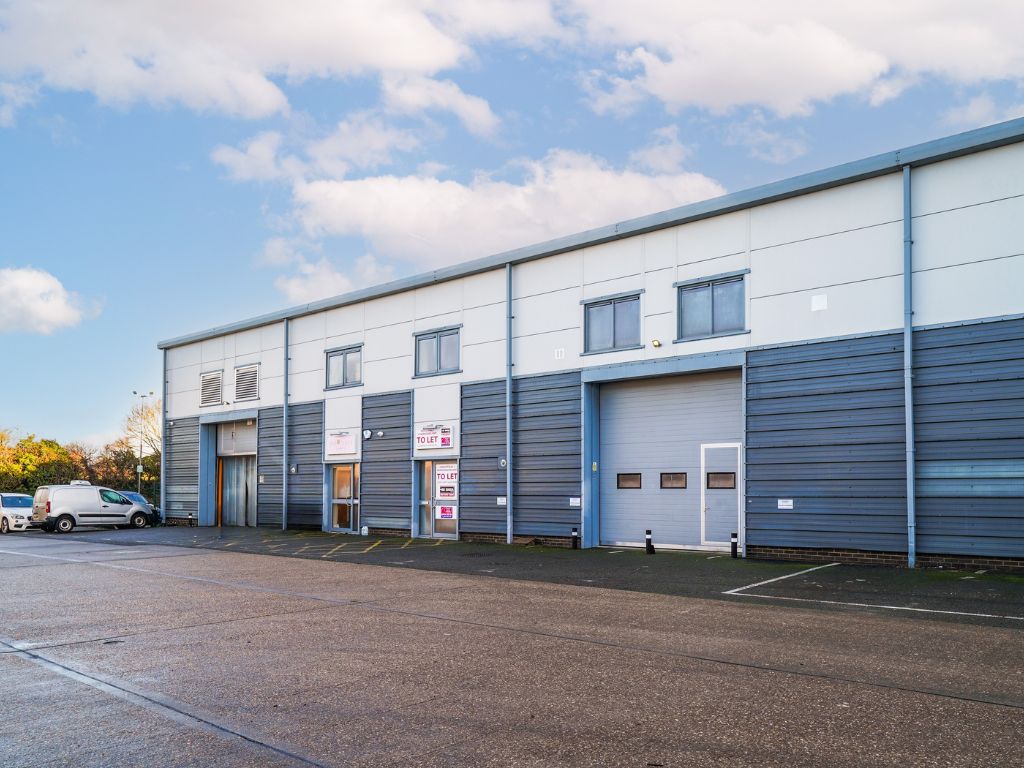
Renting an industrial commercial property is an exciting milestone for any business. Unlike renting a place to live, commercial properties are chosen to support the way your business operates and evolves, so it’s important to make sure the space genuinely works for your company.
Understanding factors such as permitted use, lease terms and flexibility from the outset can help your business plan with confidence. Asking the right questions early on allows both tenant and landlord to be clear, aligned and focused on creating a successful long-term arrangement. Here are our top five questions to ask before committing to an industrial property lease.
The main questions you need to ask prior to renting an industrial property
Industrial and commercial properties vary widely, from small starter units to large-scale warehousing and manufacturing spaces. Each landlord and estate will have its own approach, and while key information is usually available from the start, it’s always sensible to confirm the details in writing.
Clarifying the following points early on helps avoid surprises later and ensures the property is well suited to your business needs.
1. What is and is not included in the lease?
A lease should clearly outline what is included within your rent and what costs sit outside it. Some industrial leases are very straightforward, while others may include additional services such as maintenance, shared-area cleaning or utilities.
Understanding this detail allows you to budget accurately and compare properties fairly. Questions worth asking include:
- Is parking included, and how many spaces are allocated?
- Are there shared areas, and how are they maintained?
- Are there any service charges, and what do they cover?
A transparent lease helps you assess the true value of a property and ensures it supports your operational costs as well as your space requirements.
2. What are the building’s physical specifications?
As well as the floor area, you’ll need to be aware of a host of other specifications. If your business needs regular vehicular access (which might mean HGVs), is there space for parking and turning? What is the load capacity of the floors? What are the heights of the entrances (e.g. for moving machinery or products in and out)? What are the electricity and gas capacities? How is the internet connection managed and what is its bandwidth?
Confirming the building’s specifications early on can save time and help you quickly identify whether a property aligns with your operational needs.
3. Do you allow a break clause?
Industrial leases are often agreed over medium to long terms, which provides stability for both tenant and landlord. However, many leases also include break clauses that offer flexibility if circumstances change.
A break clause allows the lease to be ended early, usually after an agreed period and subject to certain conditions. This can be helpful if your business expands, restructures or requires a different type of space in the future.
Understanding whether a break clause exists, and how it works, enables you to plan confidently while still leaving room for change as your business develops.
4. What are its permitted uses?
Every commercial property has permitted uses defined by planning regulations. These usually align with the type of industrial activity the building was designed for, but it’s important to ensure your specific operation fits comfortably within those permissions.
You may also want to check:
- Any restrictions on operating hours
- Noise or activity limitations
- Whether future business changes might require consent
Clarifying permitted use from the outset ensures the property supports both your current activities and your longer-term ambitions.
5. What are the dilapidations obligations?
Dilapidations outline the condition the property should be left in at the end of the lease. This is a standard part of commercial leasing and helps set expectations for both parties from day one.
Many landlords acknowledge fair wear and tear over the life of a lease, while still expecting the property to be maintained responsibly. Understanding these obligations allows you to plan ahead for maintenance and end-of-lease requirements with clarity.
Clear documentation at the start of the lease, including photographs and schedules of condition, can make this process straightforward and stress-free.
What to consider when viewing an industrial property to rent
Viewing an industrial property is your opportunity to ensure it feels right for your business, both practically and professionally. Look for signs that the building is well maintained, secure and cared for, as this often reflects how the estate is managed overall.
Points to consider include:
- The general condition of the building and shared areas
- Security measures and lighting
- Evidence of regular maintenance
It’s also perfectly reasonable to ask about the history of the building, including roof maintenance or recent refurbishment works. Open communication and transparency are strong indicators of a well-run landlord-tenant relationship.
Reading the lease thoroughly and seeking professional advice where needed is always recommended. A knowledgeable solicitor can help ensure the agreement supports your business objectives and gives you peace of mind.
At Sorbon Estates, we believe strong relationships are built on trust, clarity and long-term collaboration. Many of our clients stay with us as they grow, relocate or adapt their space, because it benefits everyone when businesses are well supported.
Conclusion
The industrial leasing sector is generally professional and well established, with landlords who are keen to find the right match for their premises.
By asking the right questions and having open conversations from the outset, you put your business in the best possible position to succeed. No one understands your business better than you – and by clearly communicating your needs and plans, your landlord can help you find a space that truly supports your growth.
With the right property and the right partnership, your industrial premises can become a strong foundation for your business’s next chapter.